
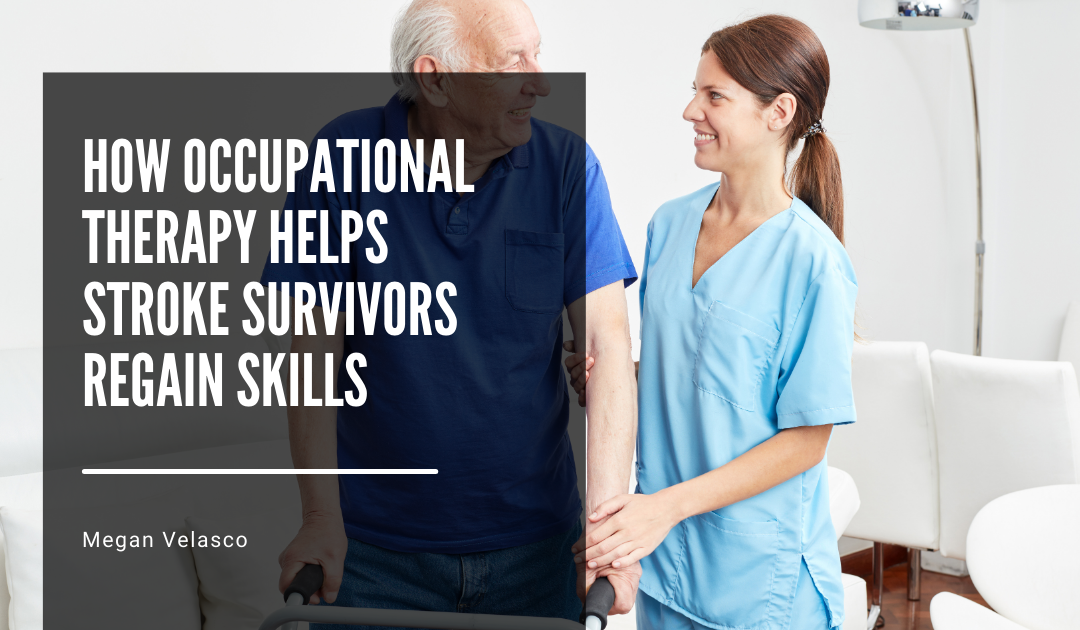
A stroke can be a life-altering event, often leaving survivors with physical, cognitive, and emotional challenges. Recovery can be a complex journey requiring interdisciplinary support to regain independence and improve quality of life. Occupational therapy is a crucial part of this process, focusing on helping stroke survivors relearn essential skills and adapt to new ways of living.
After a stroke, individuals may face difficulties with basic daily activities such as dressing, eating, bathing, or walking. These challenges stem from impairments in motor function, coordination, or cognition caused by brain damage. Occupational therapy addresses these deficits by developing tailored intervention plans to restore functionality and promote independence.
One of the primary goals of OT for stroke survivors is improving motor skills. Therapists use repetitive, task-specific exercises to help clients regain strength, coordination, and fine motor control. For instance, activities like picking up small objects or practicing handwriting can rebuild dexterity in the hands and fingers. Gross motor skills, such as balance and walking, are often targeted through exercises involving standing or reaching.
Adaptive strategies are another critical component of occupational therapy for stroke recovery. When certain skills cannot be fully restored, therapists teach alternative methods for accomplishing tasks. For example, a person with limited use of one hand may learn to dress themselves using one-handed techniques or tools like button hooks. These adaptations enable stroke survivors to maintain a sense of independence and self-sufficiency.
Cognitive and perceptual challenges are also common after a stroke. These may include difficulties with memory, attention, problem-solving, or spatial awareness. Occupational therapists address these issues through cognitive rehabilitation, which involves exercises and activities designed to improve mental functioning. For example, memory games, puzzles, or real-world problem-solving tasks can help clients enhance their cognitive abilities and regain confidence.
Emotional well-being is another critical area of focus in OT for stroke survivors. Many individuals experience feelings of frustration, sadness, or anxiety as they adjust to life after a stroke. Therapists provide emotional support, encourage positive coping strategies, and connect clients with resources like support groups or counseling services.
Family involvement is a key element of successful stroke rehabilitation. Occupational therapists work closely with families to educate them about the survivor’s needs and teach techniques to provide effective support. This collaboration ensures that the progress made during therapy sessions extends into the home environment.
Home modifications are often necessary for stroke survivors to live safely and comfortably. Occupational therapists assess the individual’s living space and recommend changes, such as installing grab bars, ramps, or non-slip flooring. These adjustments reduce the risk of falls and enhance accessibility.
The ultimate goal of occupational therapy for stroke survivors is to help them return to their valued roles and activities. Whether it’s resuming a job, participating in hobbies, or enjoying time with family, OT empowers individuals to rebuild their lives and achieve meaningful goals. Through personalized interventions and compassionate support, occupational therapy plays an essential role in stroke recovery, fostering resilience, and restoring independence.