
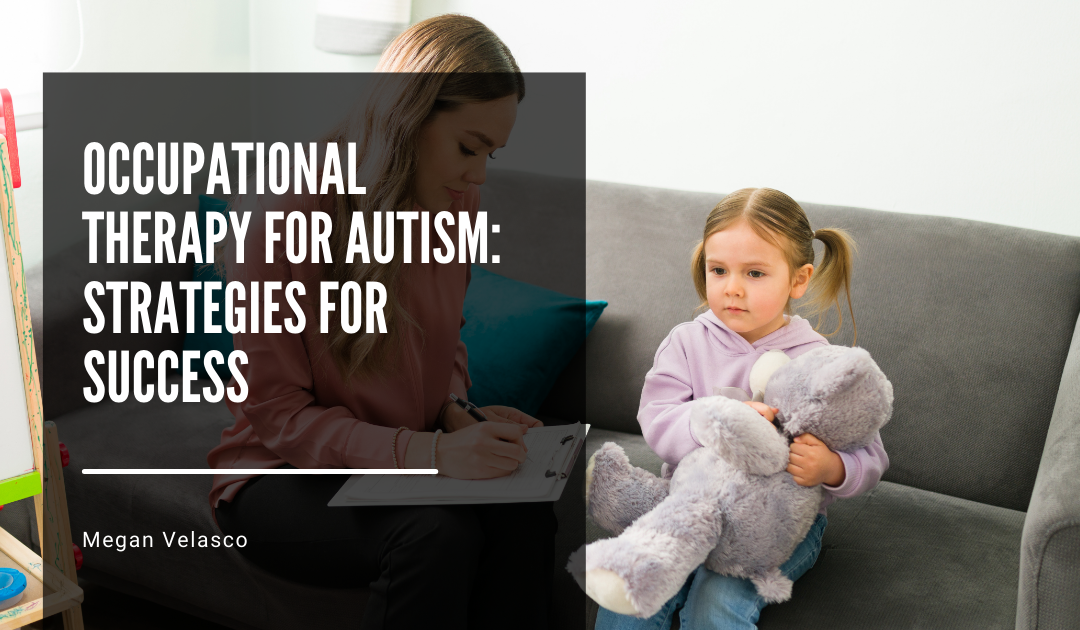
Autism spectrum disorder (ASD) affects how individuals communicate, interact, and process the world around them. While each person with autism is unique, they may face challenges in areas like social skills, sensory processing, and daily living activities. Occupational therapy (OT) provides essential support, offering tailored strategies to help individuals with autism develop independence, confidence, and the ability to engage meaningfully in their environments.
Occupational therapy begins with a thorough assessment of the individual’s strengths, challenges, and goals. This evaluation considers not only the person’s physical abilities but also their sensory preferences, communication style, and emotional needs. By taking this holistic approach, occupational therapists can create customized interventions that address the specific needs of each individual.
One of the primary focuses of OT for individuals with autism is improving activities of daily living (ADLs). These include tasks like dressing, eating, grooming, and hygiene. Therapists use techniques such as visual schedules, step-by-step instructions, and adaptive tools to make these activities more manageable. For example, a child who struggles with tying their shoes might benefit from using elastic laces or practicing fine motor exercises.
Sensory processing challenges are common among individuals with autism and can significantly impact their ability to engage with the world. Some may be hypersensitive to certain stimuli, such as loud noises or bright lights, while others may seek out sensory input through movement or touch. Occupational therapists use sensory integration techniques to help individuals modulate their sensory experiences, creating strategies that promote calmness and focus.
Social skills are another critical area addressed by occupational therapy. Individuals with autism often find it challenging to interpret social cues, initiate conversations, or engage in group activities. Through role-playing, structured interactions, and social stories, therapists help build these skills in a supportive environment. These interventions not only improve communication but also foster relationships and community participation.
Play therapy is a powerful tool used in OT for children with autism. Play provides a natural and engaging way for children to develop fine and gross motor skills, social interaction, and problem-solving abilities. Activities like building with blocks, drawing, or participating in group games are tailored to the child’s interests and developmental level.
Occupational therapy also supports academic success by addressing the skills needed for learning and participating in the classroom. This might involve improving handwriting, teaching self-regulation strategies for managing emotions, or adapting the environment to reduce distractions. Therapists collaborate with teachers and parents to ensure these strategies are effectively implemented across settings.
Family involvement is a cornerstone of occupational therapy for autism. Therapists work closely with parents and caregivers to understand their priorities and equip them with tools to support their loved one’s progress at home. Workshops, home programs, and ongoing communication ensure that families feel empowered and included in the therapy process.
The success of OT for individuals with autism lies in its emphasis on personalization and practicality. By addressing everyday challenges and building on individual strengths, occupational therapy helps individuals with autism achieve their potential. With the right support, they can navigate the complexities of life with confidence, independence, and joy.